Category: Europe

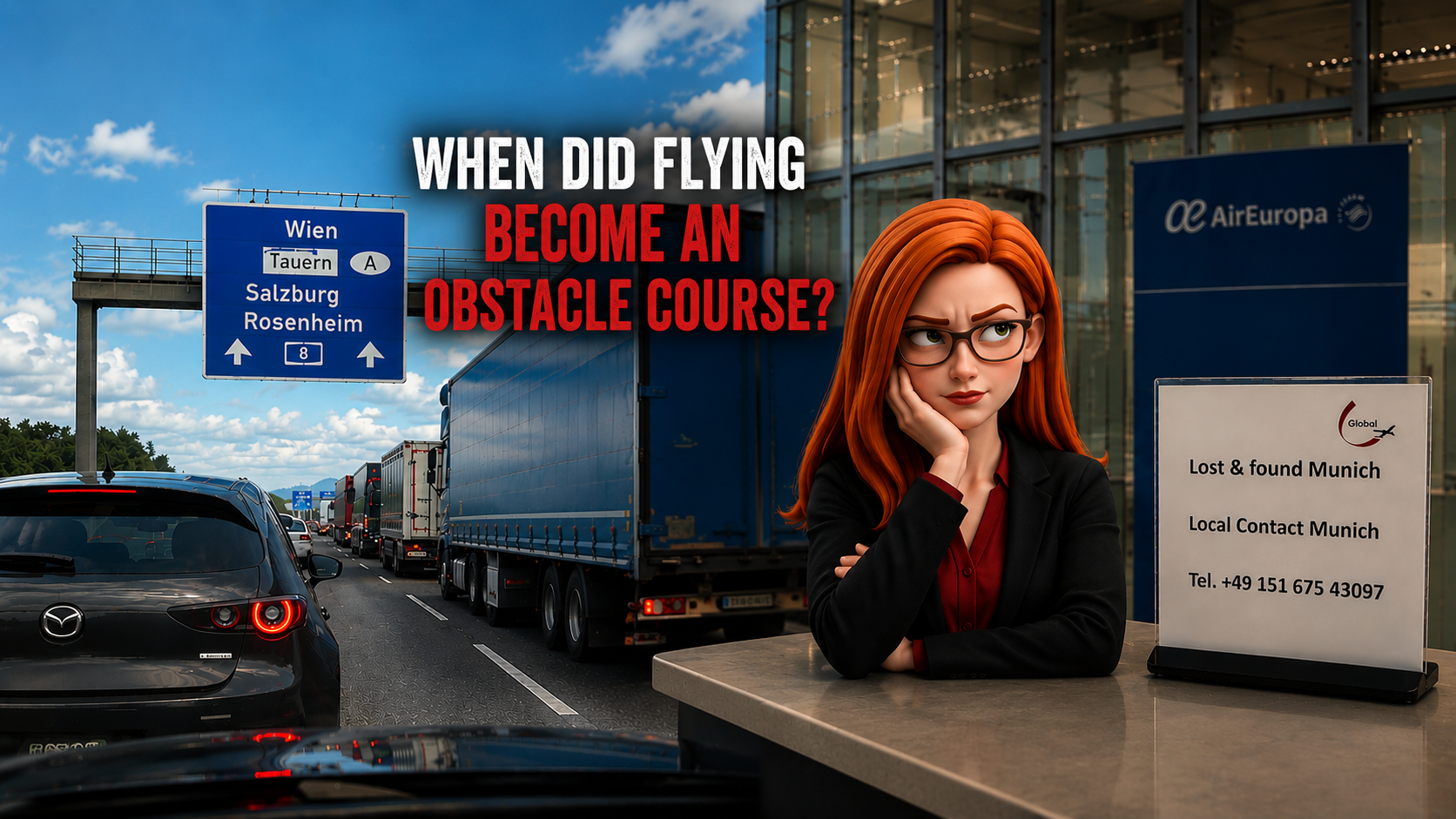
  • When Did Flying Become an Obstacle Course?

    When Did Flying Become an Obstacle Course?

    Scarlett Travels: Austria, Part 1

    I’ve been to Europe more than 20 times over the past decade.

    I’ve traveled through airline strikes, air traffic control disruptions, snowstorms, COVID restrictions, changing entry requirements, overnight delays, canceled trains, missed trains, border crossings, volunteer missions into Ukraine, and enough airports that I no longer expect travel to be perfect.

    Things happen.

    Flights get delayed.

    Bags get lost.

    I’ve learned to roll with it.

    This trip felt different.

    Not because one thing went wrong.

    Because every part of the system seemed to be straining at the same time.

    I’ll start with my mistake because that one belongs to me.

    My flight from Boston through London landed in Munich at 11:30 Wednesday night. Somewhere between booking the flight and booking the hotel, I reserved my Marriott room for Thursday night instead of Wednesday night.

    Not Thursday morning.

    Thursday night.

    That one was entirely on me.

    After landing, I went through passport control, headed to baggage claim, and waited.

    One suitcase arrived.

    The other didn’t.

    There was no British Airways baggage office open that late.

    There was just a man collecting unclaimed luggage.

    He didn’t speak English, which isn’t a complaint—I was in Germany—but it made figuring out what to do next a little more challenging.

    Eventually, I understood enough to know I needed to come back the next morning and deal with the third-party company that handles baggage issues for British Airways in Munich.

    Fine.

    Annoying, but manageable.

    The missing suitcase wasn’t carrying anything I absolutely needed.

    It had Lightning McQueen toys for my grandson, a bottle of ranch dressing, a few cans of clams, a large container of Old Bay Seasoning that apparently looked suspicious enough on an airport scanner to deserve extra attention…

    …and my shower scrunchie.

    My plan had always been to spend the night near the airport. After an overnight international flight, I wasn’t about to drive two and a half hours to Salzburg in the dark. I grabbed a taxi and headed to the Marriott.

    That’s when I discovered I’d booked the room for the wrong night.

    Fortunately, the front desk manager found one room.

    While checking me in, he mentioned they’d had 11 flights canceled in the previous three days because of the heat.

    Eleven.

    Because of heat. Something about the runway melting…..

    I’ve watched Europe get warmer over the years.

    I’ve never had a hotel manager casually mention flight cancellations because it was too hot to fly.

    That got my attention.

    The next morning I took another taxi back to the airport.

    My plan was simple.

    Pick up the rental car.

    Retrieve the suitcase.

    Drive to Salzburg.

    Apparently, I had underestimated Munich Airport.

    First came Europcar.

    There were sixteen people ahead of me and only four associates working the counter.

    An hour and a half later, I finally had the rental car paperwork.

    Again, nobody was rude.

    Nobody was standing around doing nothing.

    There just weren’t enough people.

    Before heading to the baggage office, I walked all of my luggage out to the rental car.

    By then I’d been dragging a large checked bag, a backpack full of technology, and my purse around the airport for hours.

    I asked the man at the baggage office if I could leave them there while I retrieved the missing suitcase.

    He said no.

    He wasn’t allowed to accept them, and if I walked away, they wouldn’t be monitored.

    So my choices were simple.

    Drag everything through customs.

    Or walk everything to the car and then walk back.

    I chose the car.

    It took more time.

    It still made more sense.

    Then the real adventure began.

    The baggage office told me my suitcase was in storage and I’d have to go through customs and border control to retrieve it.

    They gave me a temporary pass that expired after one hour.

    The line I had to stand in wasn’t for people retrieving luggage.

    It was the same line everyone else was using.

    By the time I reached passport control, my pass had expired.

    Fortunately, they let me through anyway.

    I finally reached the baggage office.

    The employee searched.

    Made phone calls.

    Waited.

    Then apologized.

    My suitcase wasn’t there.

    So I went back out through customs and border control.

    Again.

    Back at the office where I’d started, another employee made another phone call.

    Another apology.

    Apparently, my suitcase wasn’t in the baggage office after all.

    Now it was supposedly in a storage closet just beyond customs.

    Which meant…

    I’d have to go through customs a third time.

    That was where I stopped.

    My passport had already been stamped when I entered Germany the night before.

    Since breakfast, I’d already gone through customs and back out again trying to retrieve one checked suitcase.

    I finally asked the obvious question.

    “Does anyone actually know where my bag is?”

    Nobody answered it.

    Instead, they apologized.

    Again.

    The employee wasn’t the problem.

    In fact, every single person I dealt with genuinely seemed to want to help.

    The problem was that nobody seemed to own the problem.

    Everyone had one piece of information.

    Nobody had the whole picture.

    So we agreed they’d ship the suitcase to Austria.

    The next day it showed up at my son’s house.

    No phone call.

    No text.

    No email.

    Someone simply left it in the foyer and left.

    Lightning McQueen made it.

    The ranch dressing made it.

    The canned clams made it.

    Even the Old Bay survived.

    And yes…

    My shower scrunchie made it too.

    By the time I finally left Munich, the drive that should have taken about two hours and twenty minutes took more than three because of traffic.

    I arrived at my hotel in Salzburg around six o’clock that evening.

    Then I realized my original hotel mistake in Munich had followed me to Salzburg.

    Because I’d booked Munich for the wrong night, I was now one night short in Salzburg.

    Once again, Marriott found me a room.

    Once again, the person checking me in mentioned my Marriott status.

    Maybe that helped.

    Maybe it didn’t.

    If the hotel is sold out, status doesn’t magically create another room.

    But twice in two days, someone found a way to accommodate me, and I’m grateful they did.

    As ridiculous as this all sounds, here’s what stayed with me.

    I’ve been traveling to Europe for years.

    The mountains haven’t changed.

    The villages haven’t changed.

    The people haven’t changed.

    What feels different are the systems around the journey.

    Extreme heat is now affecting flights.

    Airlines rely on layers of contractors.

    Companies outsource pieces of the customer experience until no one seems able to solve a simple problem from beginning to end.

    And for the first time in more than twenty trips, I caught myself wondering whether being American changes how we’re received overseas.

    I don’t know the answer.

    Maybe it doesn’t.

    I hope it doesn’t.

    But the fact that I even asked myself the question surprised me.

    Travel has always taught me about the places I visit.

    This trip taught me something else.

    Sometimes the biggest lesson isn’t about the destination.

    It’s about what the journey reveals.

    A few hours after my suitcase finally arrived in Austria, British Airways emailed me a customer satisfaction survey.

    I’ve flown British Airways many times, and I’ve generally had very good experiences.

    That’s why this one stood out.

    It wasn’t one bad employee.

    It wasn’t even one bad airline.

    It was a reminder that modern travel feels more fragile than it used to.

    And I have a feeling this trip is just getting started.

    Scarlett says no.
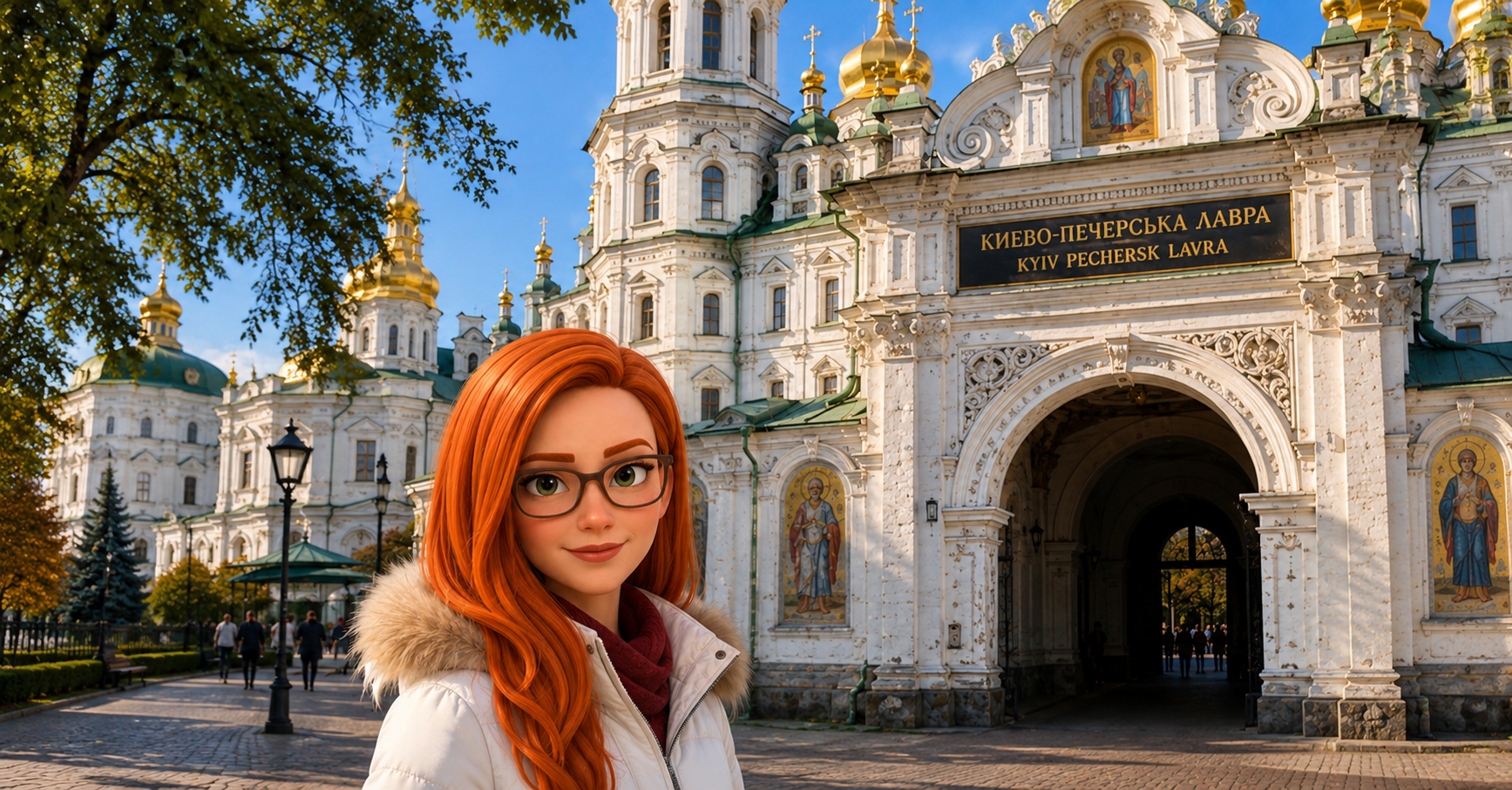
  • I Took This Photo in 2024. Yesterday, Russia Struck the Same Historic Site.

    I Took This Photo in 2024. Yesterday, Russia Struck the Same Historic Site.

    When my children were grown, moved out, and I finally had both the time and financial ability to travel, I used to say something that sounded dramatic:

    I wanted to see the world while there was still a world to see.

    War.

    Famine.

    Natural disasters.

    Human stupidity.

    Pick your category.

    My fear was that places on my bucket list would disappear before I ever had the chance to stand in them.

    Not because time passed.

    But because people destroyed them.

    In 2024, I stood at Kyiv Pechersk Lavra in Ukraine and took this photo.

    Yesterday, Russia struck the same historic religious complex.

    And I cannot stop thinking about it.

    Because this is exactly what I meant.

    The places we dream of visiting do not exist in a protective bubble waiting for us to arrive.

    They are vulnerable.

    To bombs.

    To fire.

    To politics.

    To greed.

    To indifference.

    To people who think destruction is easier than preservation.

    Kyiv Pechersk Lavra was founded in 1051.

    Nearly a thousand years ago.

    People prayed there before the United States existed.

    Before modern Russia existed.

    Before most of the borders people argue about today had even been imagined.

    For centuries, people have gathered there to worship, celebrate, mourn, and remember.

    Empires rose.

    Empires fell.

    Wars came and went.

    Governments changed.

    The Lavra remained.

    When I visited, I saw tourists taking photographs.

    Families walking together.

    Worshippers lighting candles.

    Grandparents holding children’s hands.

    Ordinary people living ordinary lives around an extraordinary place.

    And that’s what I wish more people understood when they talk about Ukraine.

    Far too often, the conversation sounds like a business negotiation.

    A land deal.

    A dispute over territory.

    A line on a map.

    As if giving away part of a country is no different than redrawing property boundaries.

    But a country is not just land.

    It’s churches.

    It’s schools.

    It’s neighborhoods.

    It’s cemeteries.

    It’s language.

    It’s culture.

    It’s history.

    It’s memories.

    It’s the places where people fell in love, got married, raised children, buried parents, and built lives.

    It’s the places that tell people who they are.

    Yesterday’s strike damaged a cathedral.

    But the cathedral isn’t really the point.

    The point is what disappears when people stop seeing places as homes and start seeing them as bargaining chips.

    The point is what gets lost when history becomes collateral damage.

    The point is that every missile destroys more than a building.

    It destroys pieces of a story that can never be recreated exactly as they were before.

    I look at this photograph differently today.

    At the time, it was simply a travel photo.

    Today, it feels like evidence.

    Proof that I stood in a place that survived nearly a thousand years and still wasn’t safe from the choices of people living in the present.

    When I started traveling, I said I wanted to see the world while there was still a world to see.

    Standing in Kyiv in 2024, I didn’t realize how literal that statement would become.

    Because the greatest threat to the places we treasure isn’t time.

    It’s the belief that they’ll always be there tomorrow.

    Sometimes they aren’t.

  • Valencia Reminded Me That Life Doesn’t Have to Be a Race

    Valencia Reminded Me That Life Doesn’t Have to Be a Race

    Americans are obsessed with being busy.

    We eat in our cars.

    We answer emails during dinner.

    We brag about working ourselves into exhaustion as if it’s some kind of achievement.

    Then I visited Valencia.

    My former au pair lives there now, so instead of seeing the city through the eyes of a tourist, I got to experience it through the eyes of someone who actually calls it home.

    And one of the first things I noticed was that life seemed to happen differently there.

    Dinner wasn’t rushed.

    In fact, dinner often didn’t even start until many Americans were already winding down for the night.

    Families gathered together.

    Friends lingered over meals.

    Conversations stretched on for hours.

    Nobody seemed to be checking the clock every five minutes.

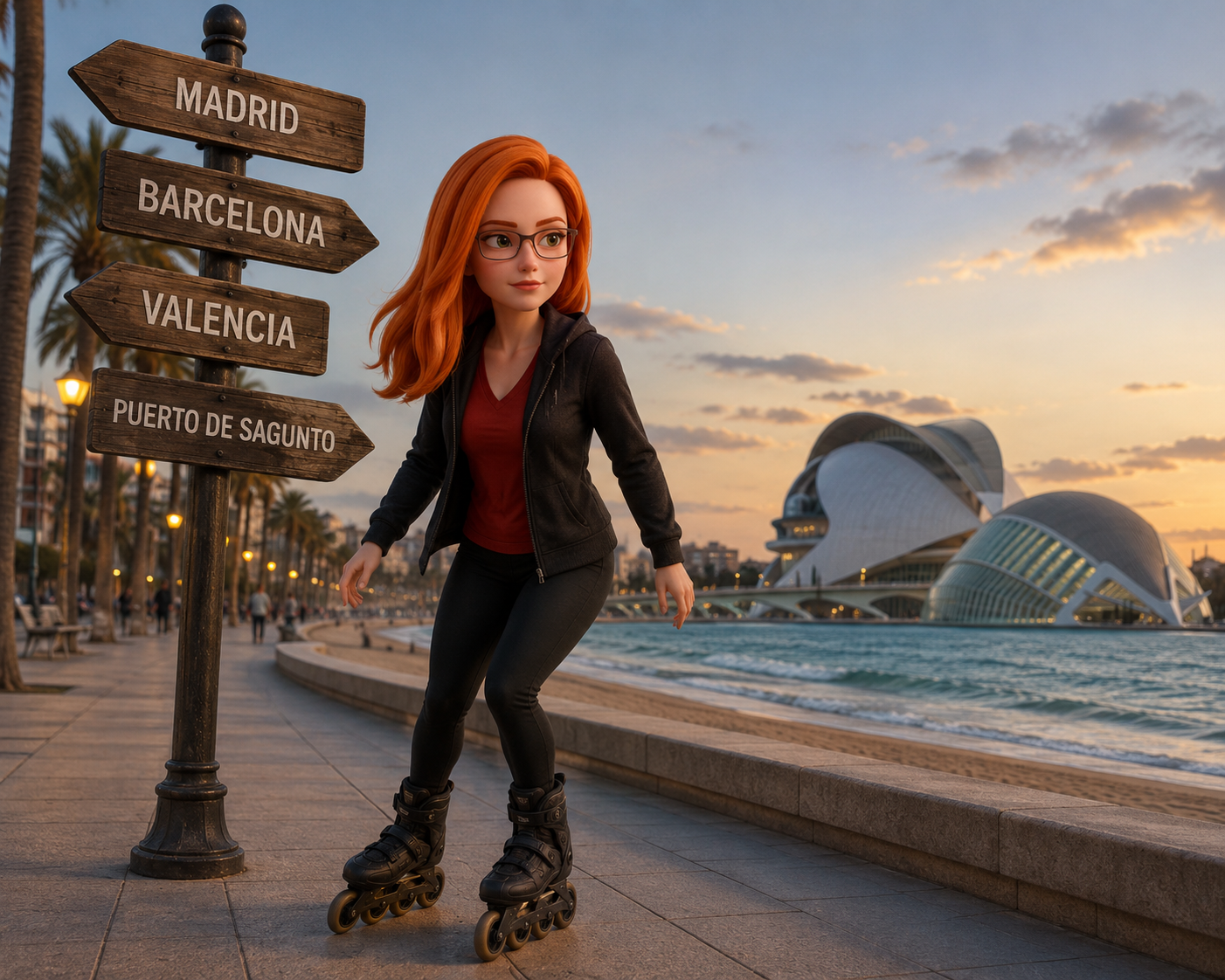
    One evening, we sat along the waterfront eating paella and fresh seafood while the Mediterranean rolled in beside us.

    The food was incredible.

    But what caught my attention wasn’t what was on the table.

    It was what was happening around it.

    At 10 o’clock at night, kids were still rollerblading along the waterfront.

    Families were still walking together.

    Grandparents sat on benches talking.

    Parents pushed strollers.

    Teenagers gathered with friends.

    The beaches and promenades were alive.

    Not with tourists.

    With people living their lives.

    And nobody seemed stressed about it.

    Nobody was rushing home to collapse on the couch before another workday.

    Nobody looked like they were trying to squeeze an entire life into the few hours left after work.

    They were simply living.

    Outside.

    Together.

    As I watched families enjoying a warm evening by the water long after sunset, I found myself wondering when so many Americans stopped doing that.

    When did “being busy” become more important than being present?

    When did we decide that productivity was more valuable than community?

    When did exhaustion become something to brag about?

    Valencia isn’t perfect.

    No place is.

    But for a few days, I got a glimpse of a different way of living.

    A way that seemed to place a higher value on family, friendship, conversation, and simply enjoying the moment.

    Maybe that’s easier when your dinner doesn’t come from a drive-thru window.

    Maybe it’s easier when the weather cooperates.

    Or maybe they’ve figured out something we’ve forgotten.

    Life isn’t what happens between work obligations.

    Life is the thing we’re supposed to be making time for.

    Scarlett says no.

    Not to hard work.

    But to the idea that being constantly busy is the same thing as living.

  • The Luckiest Thing I Ever Did Was Be Born Where I Was

    The Luckiest Thing I Ever Did Was Be Born Where I Was

    I used to believe that hard work explained most things.

    Not everything.

    But most things.

    Work hard.

    Make good decisions.

    Take responsibility.

    Build a life.

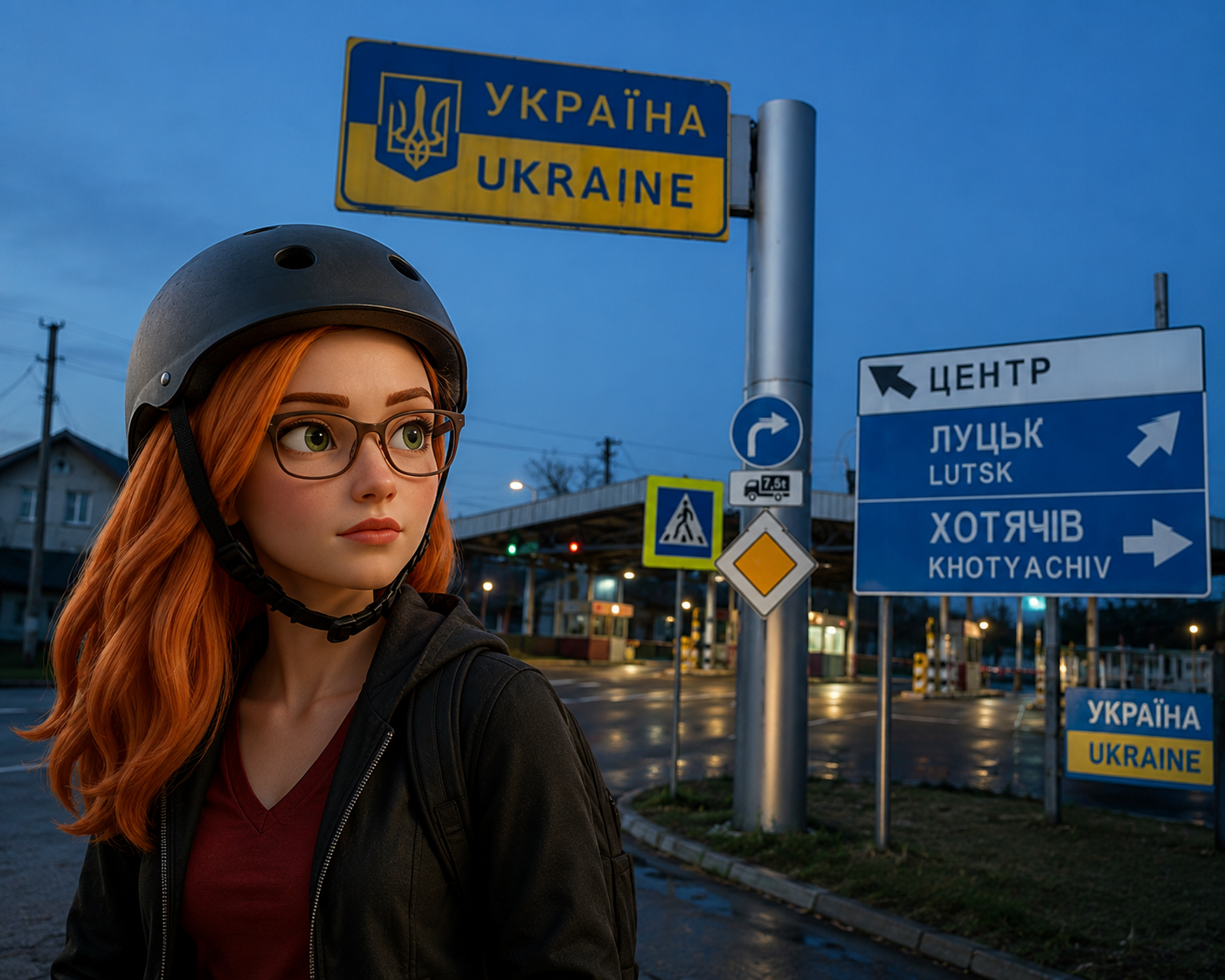
    Then I stood at the Polish border in 2022 watching Ukrainian families arrive with everything they owned packed into a suitcase.

    And I realized how much of my life had been determined before I ever made a single decision.

    The people crossing that border didn’t look much different than the people I know at home.

    They were teachers.

    Accountants.

    Business owners.

    Engineers.

    Grandmothers.

    Parents.

    Kids who should have been worried about homework instead of air raid sirens.

    A few days earlier many of them had homes.

    Jobs.

    Plans.

    Savings accounts.

    Family dinners.

    Normal lives.

    Then someone they had never met decided their country belonged to him.

    That’s all it took.

    One decision made by one man.

    Thousands of miles away from me.

    And suddenly everything changed for them.

    Not because they made bad choices.

    Not because they failed to work hard.

    Not because they didn’t plan well enough.

    Because they were born on one side of a border instead of another.

    That’s it.

    And if that thought doesn’t make you uncomfortable, it should.

    Because Americans love the myth of the self-made person.

    We celebrate success stories.

    We admire hustle.

    We tell ourselves that people get what they earn.

    But standing at that border, I couldn’t stop asking myself a question:

    How much credit do I deserve for being born in Maryland instead of Mariupol?

    I didn’t earn that.

    Neither did they.

    How much credit do I deserve for growing up in a country that wasn’t being bombed?

    For attending schools that remained standing?

    For never having to wonder if a missile would hit my neighborhood?

    For never having to choose between staying home and keeping my children alive?

    The answer is obvious.

    None.

    Yet we walk through life taking ownership of circumstances we had absolutely nothing to do with creating.

    I crossed into Ukraine during that trip for the first time.

    My children didn’t know I was doing it. That wasn’t the plan when I left the states. I was supposed to volunteer at a shelter in Poland.

    Looking back, maybe I didn’t tell them when the plan changed and it was happening, because I wasn’t completely sure I understood it myself.

    I just knew I couldn’t stand at the edge of something this significant and not look beyond the headlines.

    What I saw changed me.

    Not in the dramatic movie-version of changed.

    In a quieter way.

    A more permanent way.

    The kind that settles into your thinking and refuses to leave.

    I’ve returned to Ukraine multiple times since that first trip.

    I’ve visited warehouses.

    Delivered aid.

    Met volunteers.

    Spent the night in a bomb shelter.

    Lived through rolling blackouts and drones flying overhead.

    I also watched communities continue to rebuild.

    Made friendships that continue today.

    And every trip has reinforced the same lesson.

    The distance between “normal life” and “everything changed” is much smaller than most of us want to believe.

    One election.

    One war.

    One illness.

    One accident.

    One economic collapse.

    One natural disaster.

    One terrible day.

    We spend a lot of time judging people based on where they ended up.

    Not enough time asking what happened to them along the way.

    The refugees I met in Poland and Ukraine taught me something I carry with me every day.

    Most people are not living the lives they have because they deserve them.

    They’re living the lives they have because of a complicated combination of effort, opportunity, timing, geography, family, luck, and circumstances.

    Some earned more opportunities.

    Some earned less.

    But nobody started on the same square.

    Nobody.

    That’s not an excuse.

    It’s reality.

    And understanding that reality doesn’t make me feel guilty.

    It makes me feel responsible.

    Responsible for helping when I can.

    Responsible for paying attention.

    Responsible for remembering that every person I meet is carrying a story I cannot see.

    Most of all, responsible for never confusing good fortune with superiority.

    Because the most important thing I learned at the border wasn’t about refugees.

    It was about myself.

    And how easy it is to mistake privilege for achievement.

    Scarlett says no to the myth that everyone starts in the same place.

    To judging people by circumstances we don’t understand.

    And to forgetting that some of the biggest forces shaping our lives were decided long before we arrived.

  • Barcelona Where More Isn’t Always Better

    Barcelona Where More Isn’t Always Better

    Americans are obsessed with growth.

    More customers.

    More houses.

    More tourists.

    More money.

    More.

    More.

    More.

    Then I went back to Barcelona.

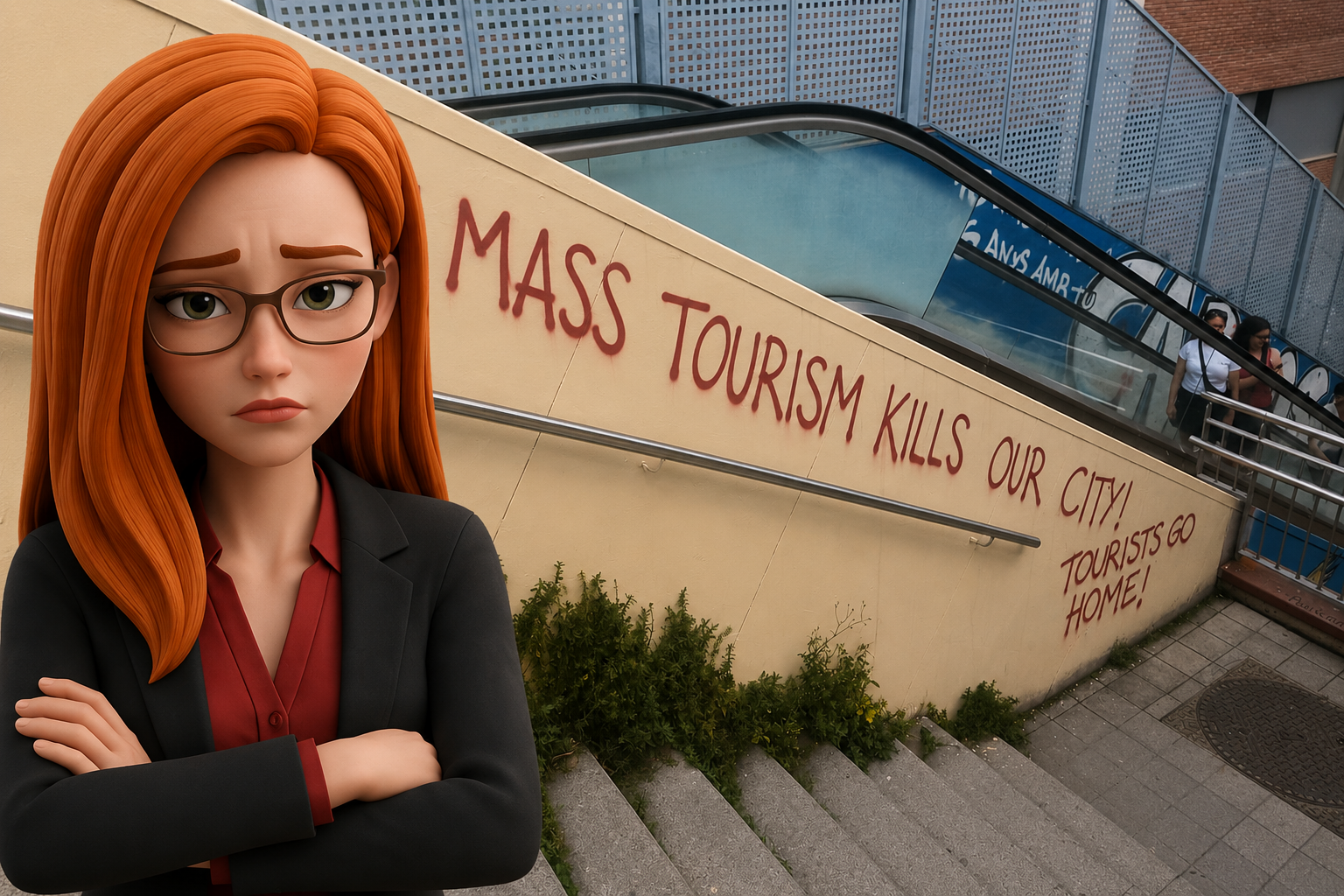
    The first time I visited was about 15 years ago. Before Airbnb exploded. Before every spare bedroom, apartment, and broom closet became a vacation rental opportunity.

    I returned in 2025.

    The city was still beautiful.

    The architecture was still stunning.

    The food was still incredible.

    But something felt different.

    For the first time, I found myself paying attention to the people who actually lived there.

    Not the tourists.

    Not the influencers.

    Not the travel bloggers.

    The residents.

    The people trying to afford rent.

    The people trying to raise families.

    The people watching their neighborhoods slowly transform into destinations rather than communities.

    And it got me thinking.

    We celebrate growth as if it’s automatically a good thing.

    But growth for whom?

    At what point does a neighborhood stop being a neighborhood and become a product?

    At what point does “economic opportunity” become “you can no longer afford to live where your family has lived for generations”?

    Those aren’t just Barcelona questions.

    They’re everywhere.

    We’ve seen it in cities.

    We’ve seen it in small towns.

    We’ve seen investors buy homes faster than families can.

    We’ve seen communities transformed into assets.

    We’ve seen people priced out of places they helped build.

    Barcelona just made it impossible to ignore.

    The city is still beautiful.

    But beauty isn’t enough.

    A place isn’t just its buildings.

    It’s the people.

    The culture.

    The history.

    The local businesses.

    The families.

    The community.

    And if those things disappear, what exactly are we preserving?

    Travel is supposed to broaden your perspective.

    Barcelona did exactly that.

    I arrived expecting to admire a city.

    I left wondering whether we’ve become so obsessed with maximizing profit that we’ve forgotten the purpose of communities in the first place.

    Scarlett says no.

    Not to tourism.

    Not to visitors.

    But to the idea that every place on earth should be treated like a commodity.