Category: Ukraine

  • I Took This Photo in 2024. Yesterday, Russia Struck the Same Historic Site.

    I Took This Photo in 2024. Yesterday, Russia Struck the Same Historic Site.

    When my children were grown, moved out, and I finally had both the time and financial ability to travel, I used to say something that sounded dramatic:

    I wanted to see the world while there was still a world to see.

    War.

    Famine.

    Natural disasters.

    Human stupidity.

    Pick your category.

    My fear was that places on my bucket list would disappear before I ever had the chance to stand in them.

    Not because time passed.

    But because people destroyed them.

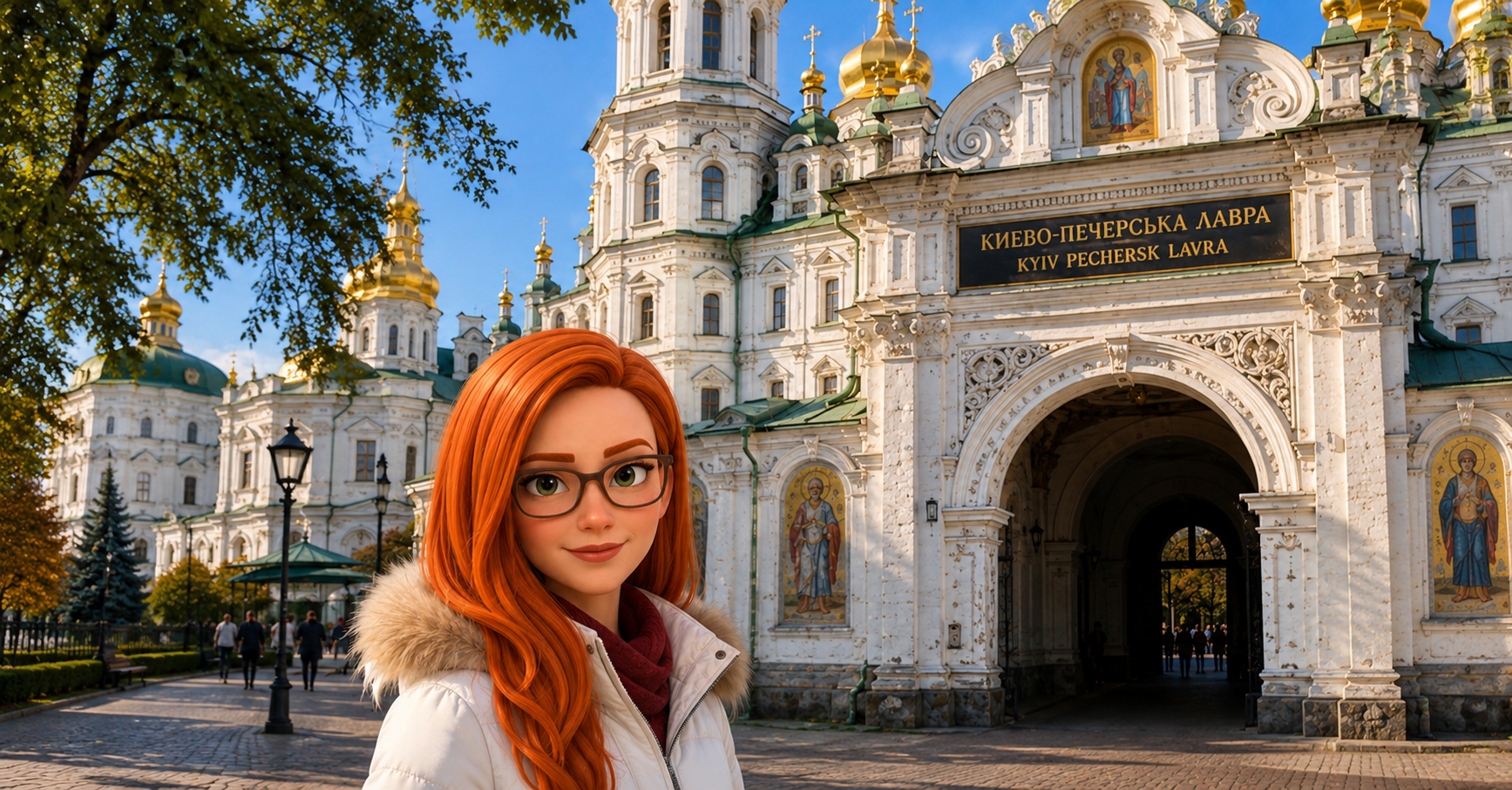
    In 2024, I stood at Kyiv Pechersk Lavra in Ukraine and took this photo.

    Yesterday, Russia struck the same historic religious complex.

    And I cannot stop thinking about it.

    Because this is exactly what I meant.

    The places we dream of visiting do not exist in a protective bubble waiting for us to arrive.

    They are vulnerable.

    To bombs.

    To fire.

    To politics.

    To greed.

    To indifference.

    To people who think destruction is easier than preservation.

    Kyiv Pechersk Lavra was founded in 1051.

    Nearly a thousand years ago.

    People prayed there before the United States existed.

    Before modern Russia existed.

    Before most of the borders people argue about today had even been imagined.

    For centuries, people have gathered there to worship, celebrate, mourn, and remember.

    Empires rose.

    Empires fell.

    Wars came and went.

    Governments changed.

    The Lavra remained.

    When I visited, I saw tourists taking photographs.

    Families walking together.

    Worshippers lighting candles.

    Grandparents holding children’s hands.

    Ordinary people living ordinary lives around an extraordinary place.

    And that’s what I wish more people understood when they talk about Ukraine.

    Far too often, the conversation sounds like a business negotiation.

    A land deal.

    A dispute over territory.

    A line on a map.

    As if giving away part of a country is no different than redrawing property boundaries.

    But a country is not just land.

    It’s churches.

    It’s schools.

    It’s neighborhoods.

    It’s cemeteries.

    It’s language.

    It’s culture.

    It’s history.

    It’s memories.

    It’s the places where people fell in love, got married, raised children, buried parents, and built lives.

    It’s the places that tell people who they are.

    Yesterday’s strike damaged a cathedral.

    But the cathedral isn’t really the point.

    The point is what disappears when people stop seeing places as homes and start seeing them as bargaining chips.

    The point is what gets lost when history becomes collateral damage.

    The point is that every missile destroys more than a building.

    It destroys pieces of a story that can never be recreated exactly as they were before.

    I look at this photograph differently today.

    At the time, it was simply a travel photo.

    Today, it feels like evidence.

    Proof that I stood in a place that survived nearly a thousand years and still wasn’t safe from the choices of people living in the present.

    When I started traveling, I said I wanted to see the world while there was still a world to see.

    Standing in Kyiv in 2024, I didn’t realize how literal that statement would become.

    Because the greatest threat to the places we treasure isn’t time.

    It’s the belief that they’ll always be there tomorrow.

    Sometimes they aren’t.
  • The Luckiest Thing I Ever Did Was Be Born Where I Was

    The Luckiest Thing I Ever Did Was Be Born Where I Was

    I used to believe that hard work explained most things.

    Not everything.

    But most things.

    Work hard.

    Make good decisions.

    Take responsibility.

    Build a life.

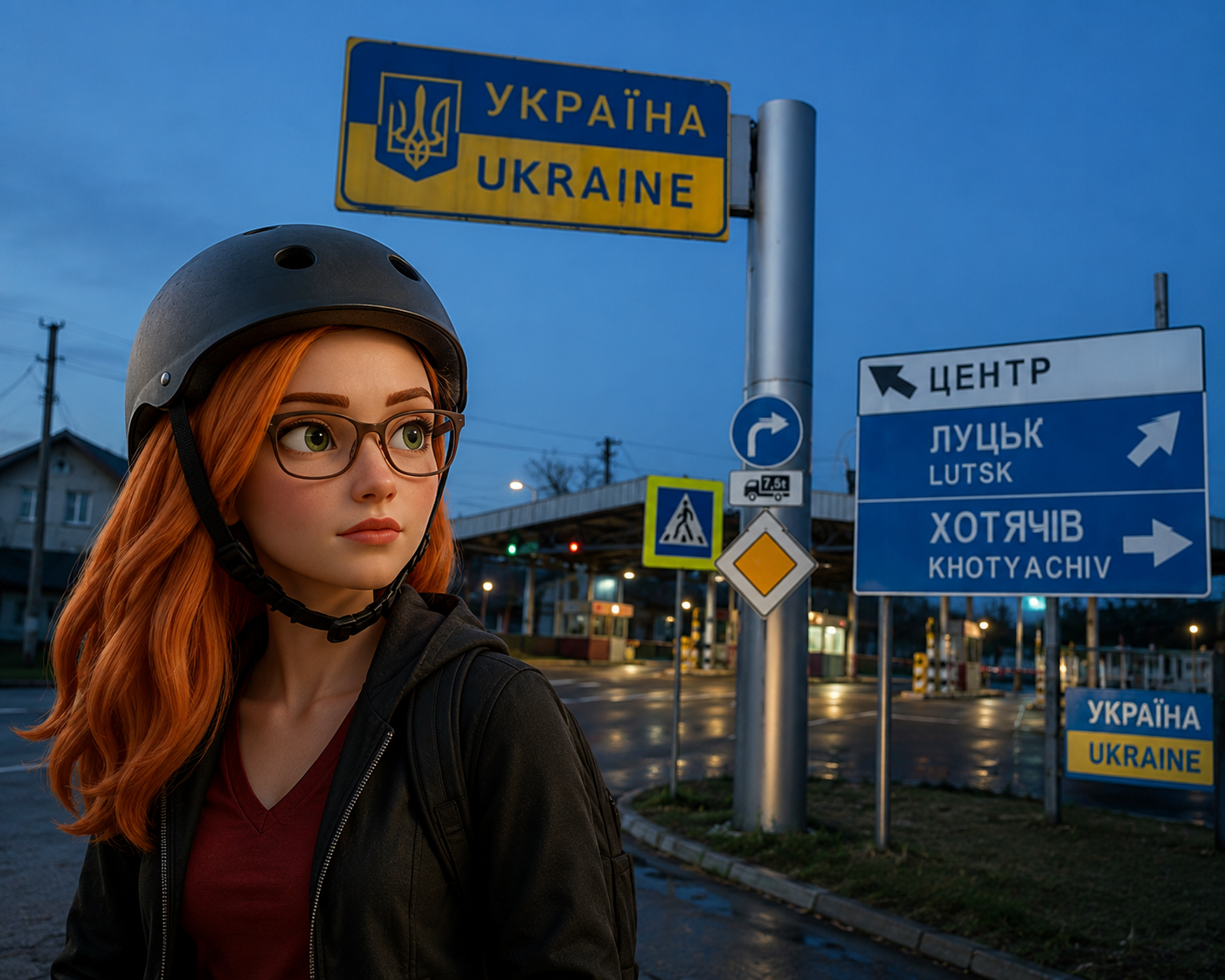
    Then I stood at the Polish border in 2022 watching Ukrainian families arrive with everything they owned packed into a suitcase.

    And I realized how much of my life had been determined before I ever made a single decision.

    The people crossing that border didn’t look much different than the people I know at home.

    They were teachers.

    Accountants.

    Business owners.

    Engineers.

    Grandmothers.

    Parents.

    Kids who should have been worried about homework instead of air raid sirens.

    A few days earlier many of them had homes.

    Jobs.

    Plans.

    Savings accounts.

    Family dinners.

    Normal lives.

    Then someone they had never met decided their country belonged to him.

    That’s all it took.

    One decision made by one man.

    Thousands of miles away from me.

    And suddenly everything changed for them.

    Not because they made bad choices.

    Not because they failed to work hard.

    Not because they didn’t plan well enough.

    Because they were born on one side of a border instead of another.

    That’s it.

    And if that thought doesn’t make you uncomfortable, it should.

    Because Americans love the myth of the self-made person.

    We celebrate success stories.

    We admire hustle.

    We tell ourselves that people get what they earn.

    But standing at that border, I couldn’t stop asking myself a question:

    How much credit do I deserve for being born in Maryland instead of Mariupol?

    I didn’t earn that.

    Neither did they.

    How much credit do I deserve for growing up in a country that wasn’t being bombed?

    For attending schools that remained standing?

    For never having to wonder if a missile would hit my neighborhood?

    For never having to choose between staying home and keeping my children alive?

    The answer is obvious.

    None.

    Yet we walk through life taking ownership of circumstances we had absolutely nothing to do with creating.

    I crossed into Ukraine during that trip for the first time.

    My children didn’t know I was doing it. That wasn’t the plan when I left the states. I was supposed to volunteer at a shelter in Poland.

    Looking back, maybe I didn’t tell them when the plan changed and it was happening, because I wasn’t completely sure I understood it myself.

    I just knew I couldn’t stand at the edge of something this significant and not look beyond the headlines.

    What I saw changed me.

    Not in the dramatic movie-version of changed.

    In a quieter way.

    A more permanent way.

    The kind that settles into your thinking and refuses to leave.

    I’ve returned to Ukraine multiple times since that first trip.

    I’ve visited warehouses.

    Delivered aid.

    Met volunteers.

    Spent the night in a bomb shelter.

    Lived through rolling blackouts and drones flying overhead.

    I also watched communities continue to rebuild.

    Made friendships that continue today.

    And every trip has reinforced the same lesson.

    The distance between “normal life” and “everything changed” is much smaller than most of us want to believe.

    One election.

    One war.

    One illness.

    One accident.

    One economic collapse.

    One natural disaster.

    One terrible day.

    We spend a lot of time judging people based on where they ended up.

    Not enough time asking what happened to them along the way.

    The refugees I met in Poland and Ukraine taught me something I carry with me every day.

    Most people are not living the lives they have because they deserve them.

    They’re living the lives they have because of a complicated combination of effort, opportunity, timing, geography, family, luck, and circumstances.

    Some earned more opportunities.

    Some earned less.

    But nobody started on the same square.

    Nobody.

    That’s not an excuse.

    It’s reality.

    And understanding that reality doesn’t make me feel guilty.

    It makes me feel responsible.

    Responsible for helping when I can.

    Responsible for paying attention.

    Responsible for remembering that every person I meet is carrying a story I cannot see.

    Most of all, responsible for never confusing good fortune with superiority.

    Because the most important thing I learned at the border wasn’t about refugees.

    It was about myself.

    And how easy it is to mistake privilege for achievement.

    Scarlett says no to the myth that everyone starts in the same place.

    To judging people by circumstances we don’t understand.

    And to forgetting that some of the biggest forces shaping our lives were decided long before we arrived.