Category: Tourism

  • Valencia Reminded Me That Life Doesn’t Have to Be a Race

    Valencia Reminded Me That Life Doesn’t Have to Be a Race

    Americans are obsessed with being busy.

    We eat in our cars.

    We answer emails during dinner.

    We brag about working ourselves into exhaustion as if it’s some kind of achievement.

    Then I visited Valencia.

    My former au pair lives there now, so instead of seeing the city through the eyes of a tourist, I got to experience it through the eyes of someone who actually calls it home.

    And one of the first things I noticed was that life seemed to happen differently there.

    Dinner wasn’t rushed.

    In fact, dinner often didn’t even start until many Americans were already winding down for the night.

    Families gathered together.

    Friends lingered over meals.

    Conversations stretched on for hours.

    Nobody seemed to be checking the clock every five minutes.

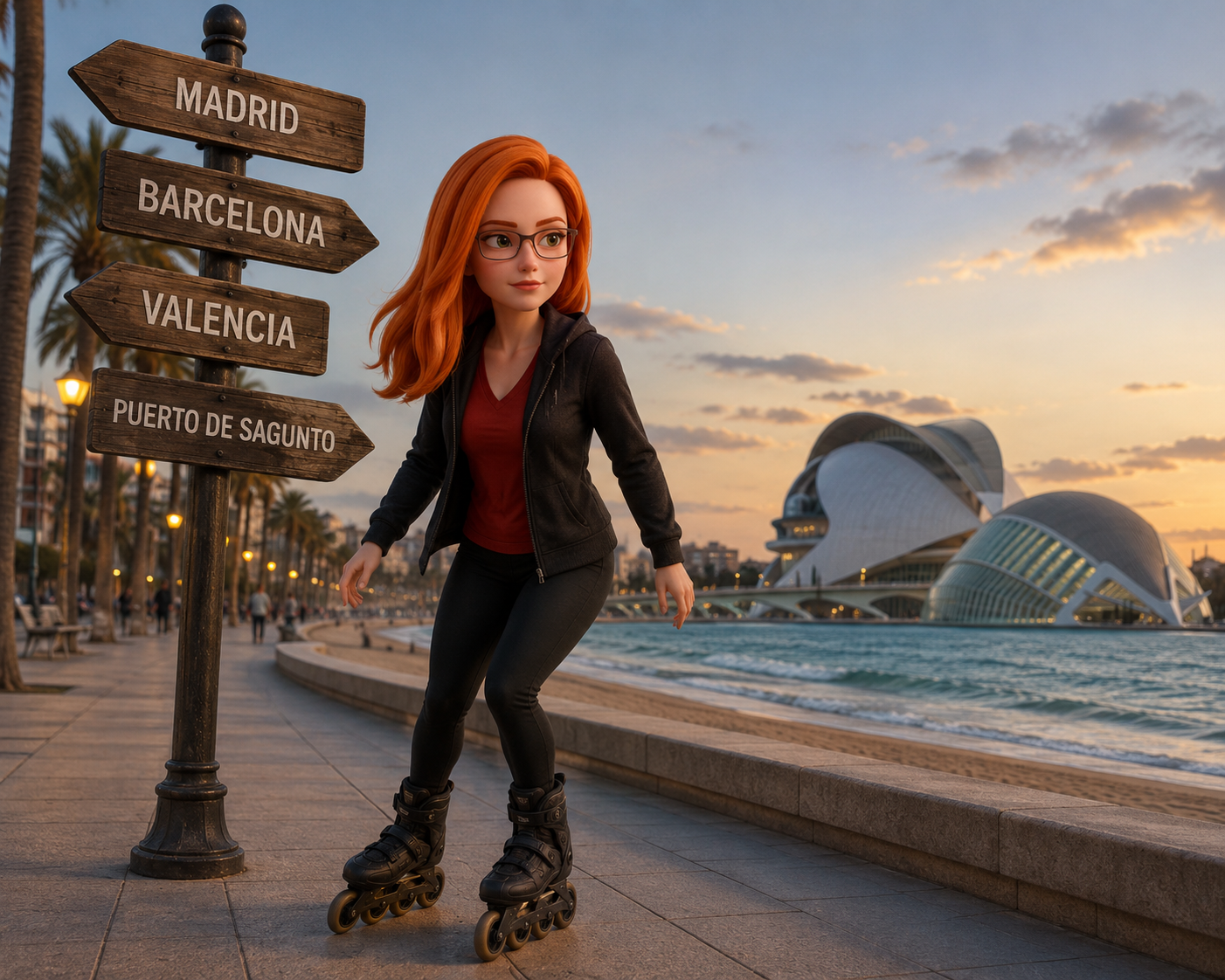
    One evening, we sat along the waterfront eating paella and fresh seafood while the Mediterranean rolled in beside us.

    The food was incredible.

    But what caught my attention wasn’t what was on the table.

    It was what was happening around it.

    At 10 o’clock at night, kids were still rollerblading along the waterfront.

    Families were still walking together.

    Grandparents sat on benches talking.

    Parents pushed strollers.

    Teenagers gathered with friends.

    The beaches and promenades were alive.

    Not with tourists.

    With people living their lives.

    And nobody seemed stressed about it.

    Nobody was rushing home to collapse on the couch before another workday.

    Nobody looked like they were trying to squeeze an entire life into the few hours left after work.

    They were simply living.

    Outside.

    Together.

    As I watched families enjoying a warm evening by the water long after sunset, I found myself wondering when so many Americans stopped doing that.

    When did “being busy” become more important than being present?

    When did we decide that productivity was more valuable than community?

    When did exhaustion become something to brag about?

    Valencia isn’t perfect.

    No place is.

    But for a few days, I got a glimpse of a different way of living.

    A way that seemed to place a higher value on family, friendship, conversation, and simply enjoying the moment.

    Maybe that’s easier when your dinner doesn’t come from a drive-thru window.

    Maybe it’s easier when the weather cooperates.

    Or maybe they’ve figured out something we’ve forgotten.

    Life isn’t what happens between work obligations.

    Life is the thing we’re supposed to be making time for.

    Scarlett says no.

    Not to hard work.

    But to the idea that being constantly busy is the same thing as living.
  • Barcelona Where More Isn’t Always Better

    Barcelona Where More Isn’t Always Better

    Americans are obsessed with growth.

    More customers.

    More houses.

    More tourists.

    More money.

    More.

    More.

    More.

    Then I went back to Barcelona.

    The first time I visited was about 15 years ago. Before Airbnb exploded. Before every spare bedroom, apartment, and broom closet became a vacation rental opportunity.

    I returned in 2025.

    The city was still beautiful.

    The architecture was still stunning.

    The food was still incredible.

    But something felt different.

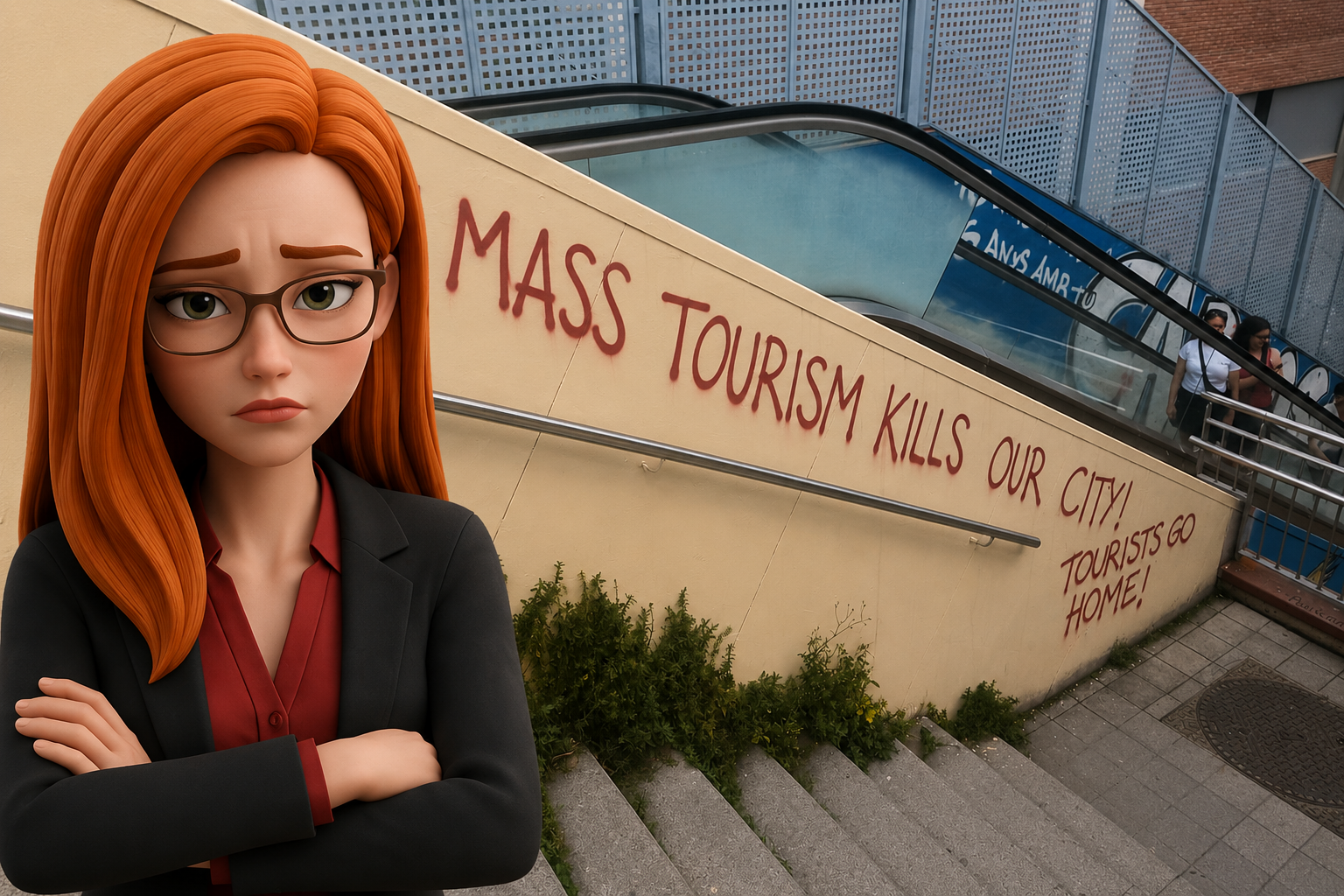
    For the first time, I found myself paying attention to the people who actually lived there.

    Not the tourists.

    Not the influencers.

    Not the travel bloggers.

    The residents.

    The people trying to afford rent.

    The people trying to raise families.

    The people watching their neighborhoods slowly transform into destinations rather than communities.

    And it got me thinking.

    We celebrate growth as if it’s automatically a good thing.

    But growth for whom?

    At what point does a neighborhood stop being a neighborhood and become a product?

    At what point does “economic opportunity” become “you can no longer afford to live where your family has lived for generations”?

    Those aren’t just Barcelona questions.

    They’re everywhere.

    We’ve seen it in cities.

    We’ve seen it in small towns.

    We’ve seen investors buy homes faster than families can.

    We’ve seen communities transformed into assets.

    We’ve seen people priced out of places they helped build.

    Barcelona just made it impossible to ignore.

    The city is still beautiful.

    But beauty isn’t enough.

    A place isn’t just its buildings.

    It’s the people.

    The culture.

    The history.

    The local businesses.

    The families.

    The community.

    And if those things disappear, what exactly are we preserving?

    Travel is supposed to broaden your perspective.

    Barcelona did exactly that.

    I arrived expecting to admire a city.

    I left wondering whether we’ve become so obsessed with maximizing profit that we’ve forgotten the purpose of communities in the first place.

    Scarlett says no.

    Not to tourism.

    Not to visitors.

    But to the idea that every place on earth should be treated like a commodity.

  • The World Kept Traveling.

    The World Kept Traveling.

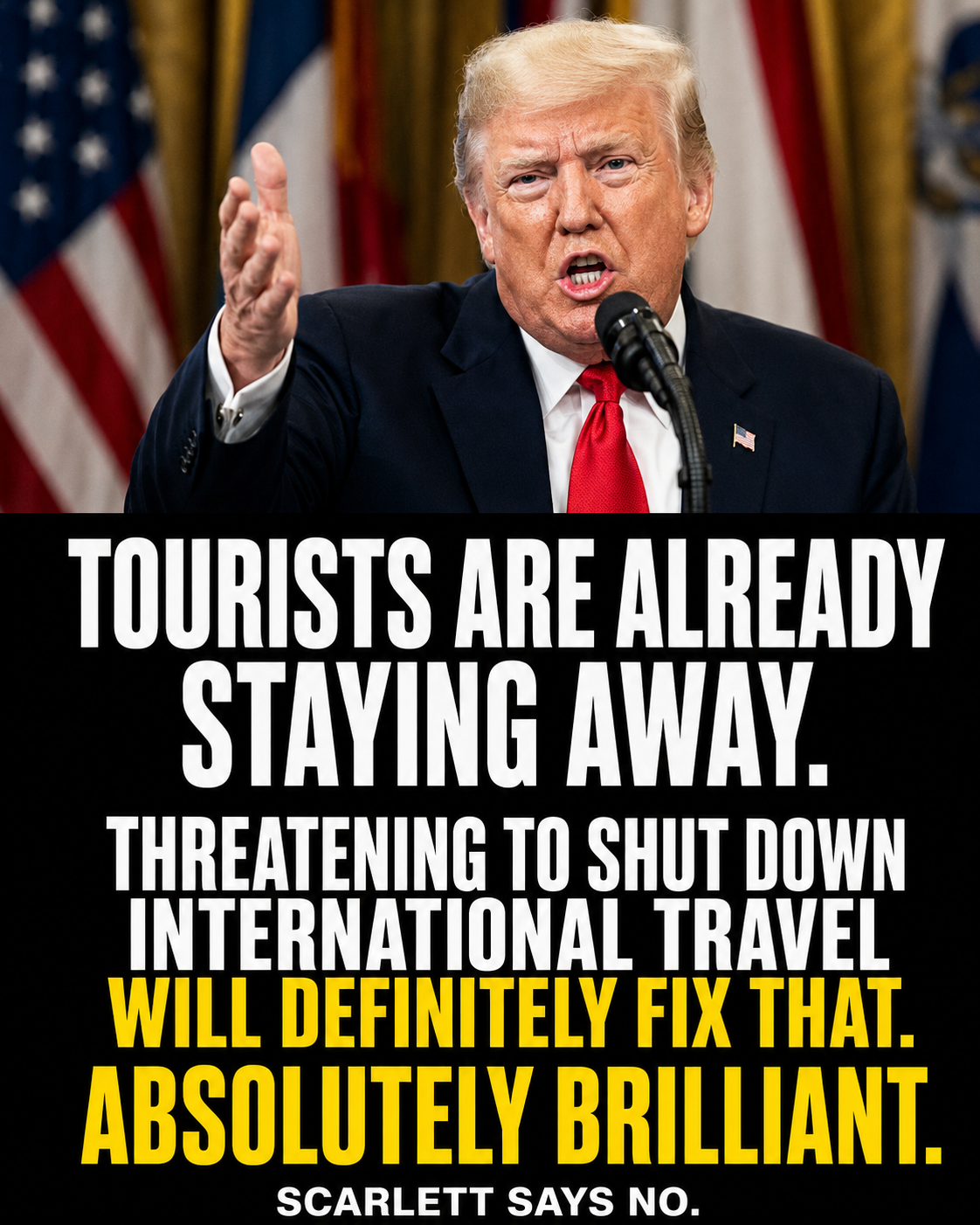
    Fewer people chose us


    The rest of the world kept traveling in 2025.

    Eighty million more people took international trips.

    But visits to the United States fell 5.5%.

    International visitor spending in the U.S. dropped 4.6% to $176 billion.

    Meanwhile, the global tourism industry had its best year ever, contributing a record $11.6 trillion to the global economy.

    The world moved forward.

    America went backward.

    What in the flipping hell is that?

    This Is Not Just About Vacations

    Tourism means jobs.

    It means hotel rooms, restaurant meals, museum tickets, local shops, rental cars, and money flowing into communities across the country.

    International travelers spend more, stay longer, and support businesses across the United States.

    When fewer people visit, American workers and small businesses pay the price.

    Hostility Is Not a Tourism Strategy

    Travelers have choices.

    They can spend their money somewhere that feels safer, calmer, and more welcoming.

    You cannot spend years treating outsiders like enemies and then act shocked when fewer people show up with suitcases and credit cards.

    That is not “America First.”

    That is self-sabotage wrapped in a flag.

    The world kept traveling.

    Fewer people chose us.

    Maybe it is time to ask why.

    Scarlett says no.